
Shipping a resistance band? Easy. Shipping a 65-pound adjustable dumbbell set? Now youre talking real logistics.
If you sell fitness gear online, especially the heavy stuff, youve probably already hit a few pain points: outrageous shipping costs, busted packages, and return nightmares that make you question your career choices. And the truth is, the heavier the fitness product, the heavier the fulfillment burden.
Lets unpack five of the biggest challenges that come with fulfilling heavy fitness equipmentand how to fix them before they sink your profits or your sanity.
Jump right in: Top 5 Challenges of Fulfilling Heavy Fitness Gear
1. Sky-High Shipping Costs for Heavy Items
The Challenge:
Shipping costs rise steeply as weight goes up. Standard parcel rates skyrocket at certain weight breakpoints, so heavy shipments (say 5075 lbs) can cost several times more than light parcels. Carriers also tack on surcharges for instance, UPS and FedEx impose Additional Handling fees once a box exceeds ~50 lbs.
These extra fees, plus the fact that FedEx and UPS raised base rates ~5.9% in 2025, mean sending a heavy piece of gym equipment cross-country can cost more than the product itself in extreme cases.
High shipping costs squeeze your margins and may force you to charge customers more (potentially hurting sales).

How to Solve It:
For starters, right-size your packaging. Empty space is your enemycarriers love charging for dimensional weight. But the real unlock here? Leverage the shipping volume and muscle of a 3PL that specializes in heavier goods.
Take lite prepcenters SaverShip program. Its built specifically for products between 575 lbsright in the fitness gear sweet spot. SaverShip consolidates heavy item volume across merchants and cuts shipping costs by up to 80% compared to published rates from USPS and FedEx. Its not a discount code gimmick; its smart logistics, negotiated at scale.
And since Lite PrepCenter ships from a centrally located U.S. warehouse, you dodge long-zone fees while keeping transit times reasonable.
2. Risk of Damage During Transit
The Challenge:
Heavy or bulky fitness items are inherently at higher risk of damage in transit. The sheer weight puts more strain on packaging, and rough handling or stacking in trucks can easily dent or break items (or their packaging) if not properly protected.
As one logistics expert notes, heavy shipments often face poor handling and loading practices, which can lead to broken products and costly replacements. For example, a 100-pound boxed home gym might burst through a single-wall carton, or a set of metal weights could shift and crack weaker packaging.
Every damaged delivery means not only a loss in product value but also extra shipping costs to send replacements and the potential loss of customer goodwill.

How to Solve It:
The first line of defense is robust packaging. Invest in durable materials: double-wall or even triple-wall corrugated boxes, wooden crates for very heavy machines, reinforced straps, and plenty of cushioning (foam inserts, bubble wrap, air pillows) to absorb shocks.
Ensure theres minimal empty space in the box so items cant jostle around. Heavy fitness gear with multiple components (like a disassembled weight machine) should be packed with each part secured and protected. Proper packaging not only prevents damage but also avoids the downstream costs of returns and replacements.
Ensure theres minimal empty space in the box so items cant jostle around. Heavy fitness gear with multiple components (like a disassembled weight machine) should be packed with each part secured and protected. Proper packaging not only prevents damage but also avoids the downstream costs of returns and replacements.
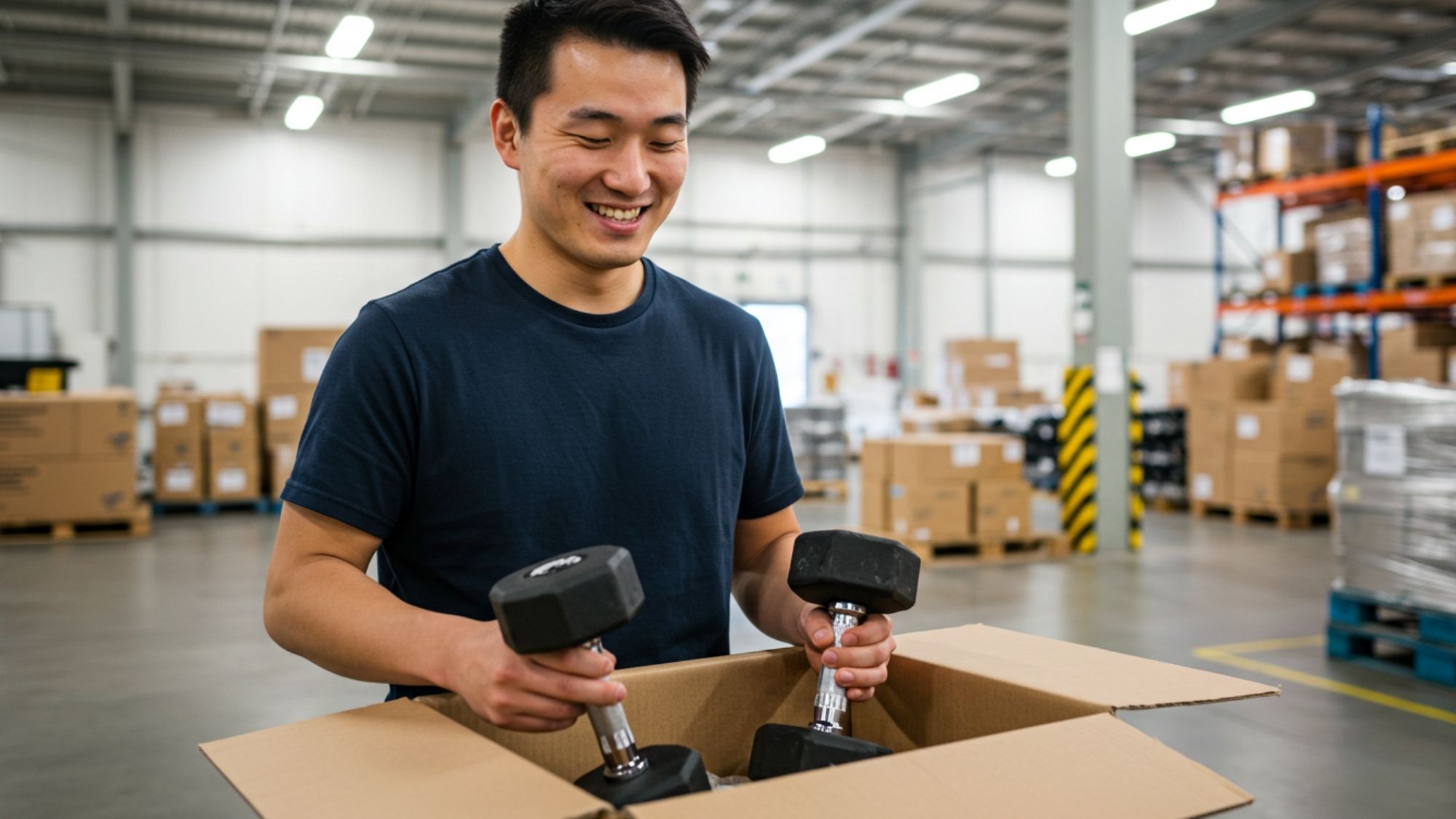
Beyond DIY measures, partnering with a 3PL specialized in heavy items can be a game-changer. Experienced fulfillment providers handle heavy gear all the time they know the tricks like using custom foam padding or bolstering boxes for weights. A quality 3PL will have tailored handling practices to prevent damage in the first place.
For instance, some 3PL warehouses have dedicated packing stations for heavy products and use team lifts or forklifts to gently move bulky items (instead of one person manhandling a 70 lb box). By choosing a fulfillment partner who understands heavy-item logistics, fitness retailers can drastically cut down on shipping damage. Fewer broken dumbbells and cracked treadmills in transit means happier customers and a healthier bottom line.
3. Returns That Feel Like a Workout (and Not the Good Kind)
The Challenge:
Returns are rough in eCommerce, even when its something small and easy to ship.
But when it comes to heavy, expensive fitness gear, theyre a whole different beast.
If a customer sends back a 100 lb rowing machine or exercise bike, youre not just covering the return label. Youre dealing with:
-
Specialized freight or oversized parcel costs
-
Extra labor to receive, move, and unpack the item
-
Potential repackaging or palletizing
-
Lost storage space while you figure out what to do with it
And heres the thing: customers still expect it to be free and fast. Thats the Amazon effect. They want to return a $900 treadmill as easily as a yoga mat, no questions, no fees, and maybe even a home pickup.
So, whats the fix? Start upstream.
The fewer returns, the betterespecially when theyre this expensive. To prevent them:
-
Provide clear specs: weight, dimensions, and space/setup requirements
-
Show detailed product photos from all angles
-
Include videos or installation instructions so buyers know what to expect
Cutting down on I didnt realize it was this big returns can save you a small fortune.
But when returns do happen? You need a plan.
This is where a good 3PL shines. A capable fulfillment partner can manage returns efficientlyso youre not left holding the bag (or the broken elliptical).
Heres what that might look like:
-
Multiple return centers across the U.S. to shorten shipping distances
-
Trained staff to inspect, photograph, and document returned items
-
The ability to repack, refurbish, or restock when possible
-
Organized tracking and communication for each return
Some 3PLs will even coordinate freight pickups for large-item returnsso your customer isnt trying to strap a weight bench to their roof rack.
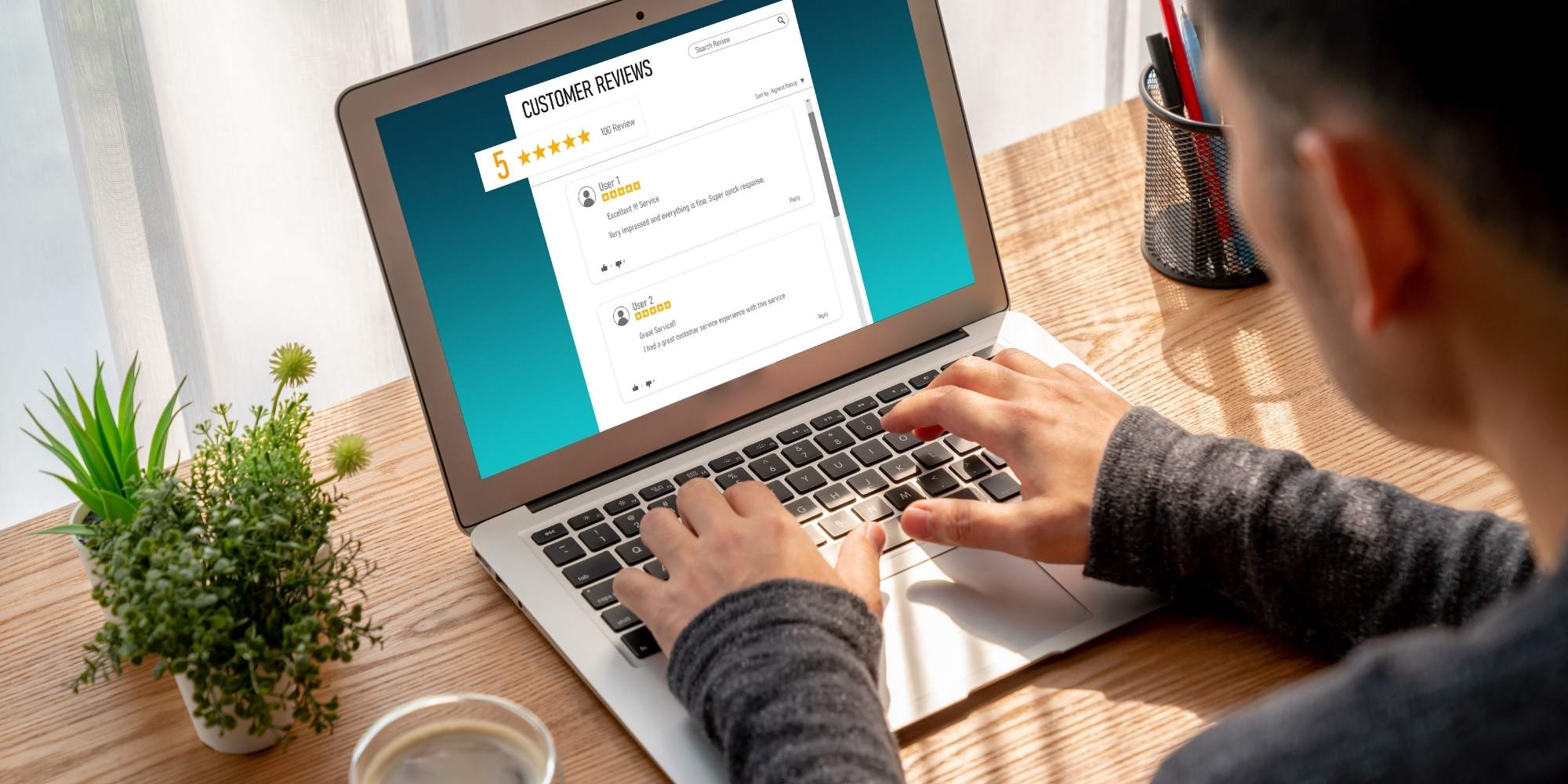
Communication is everything.
Make the return process clear up front:
-
Offer pre-paid return labels when needed
-
Coordinate return pickups for large gear
-
Set expectations on timelines and refund processing
Remember: returns are often the last touchpoint your customer has with your brand. If its smooth and professional, you keep the relationship intact. If its a disaster, thats what theyll remember.
Bottom line? You dont need to dread returns.
Yes, theyre expensive. Yes, theyre complicated. But with the right systems, and the right fulfillment partnerthey become manageable.
Let a 3PL like lite prepcenter handle the messy stuff. You focus on growth, not wrestling kettlebells back into boxes.
4. Storage and Handling: When Your Warehouse Starts to Feel Like a Gym
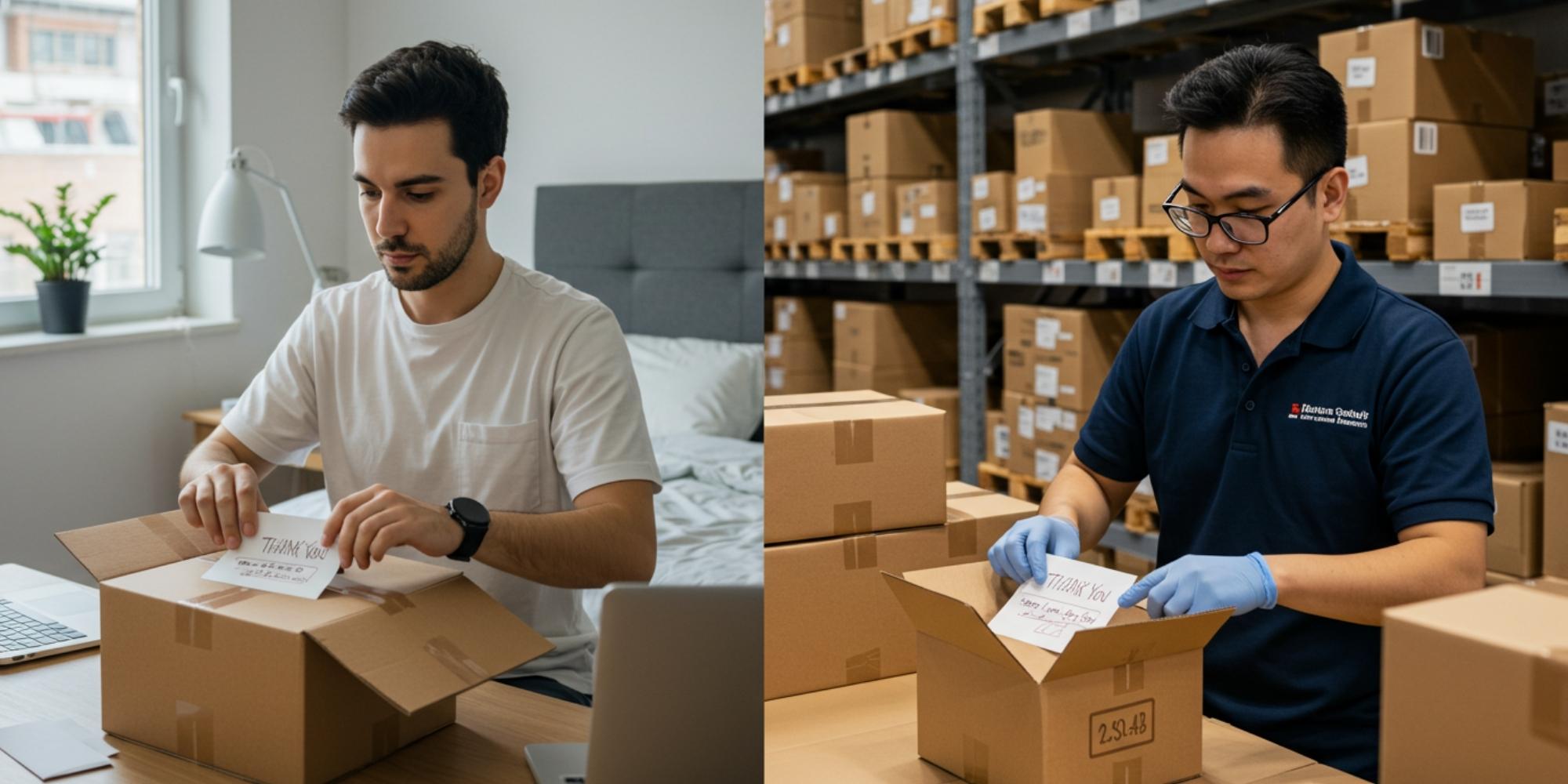
The challenge?
Heavy fitness gear takes up a ton of space, and its not easy to move.
Big-ticket items like boxed weight racks dont just sit neatly on a shelf. They eat up square footage and often require floor storage or reinforced racking. Standard shelves cant handle the weight, and even if they could, stacking is a gamble you probably shouldnt take.
And space? It isnt cheap. As your product weights climb, so do your warehousing costs.
Then theres handling. Moving a 70- or 80-pound box is:
-
Time-consuming
-
Physically demanding
-
Potentially dangerous without the right gear
Your team might need:
-
Pallet jacks or forklifts
-
Two-person lifts for safety
-
Extra time to pick, pack, and process each order
Not every warehouse is cut out for this. In fact, some 3PLs tack on extra fees for heavy SKUs or just avoid them altogether. And if you’re handling fulfillment in-house, you’re looking at serious investments in equipment, training, and injury prevention protocols.

So, how do you fix it?
Start by making your storage layout work with you, not against you. That means:
-
Creating designated floor zones for bulky items
-
Using reinforced shelving where needed
-
Keeping heavy inventory closer to your packing stations or shipping bays
-
Investing in real tools: pallet jacks, handcarts, and lifting straps
Also, train your team. Even simple rules like team-lift anything over 50 lbs can prevent accidents and improve speed.
But if this is all sounding like a lot (because it is), youre not stuck.
The smarter move? Hand it off to a 3PL thats built for heavy products.
A fulfillment partner like lite prepcenter handles this kind of gear every day. Theyve got:
-
Competitive storage rates for bulky items
-
Equipment and layout tailored for large/heavy SKUs
-
Staff trained in heavy-order picking and safe packing
-
Forklifts, conveyor systems, and heavy-duty racking systems already in place
And when paired with SaverShip, you dont just solve storage and handling you also fix the shipping side.
In short? Dont try to turn your operation into a warehouse gym. Let a heavy-lifting pro take it from here.
Managing Shipping doesnt have to be a hassle.
Partnering with a 3PL like lite prepcenter means you can focus on growing your business while we handle the details. Request a Free Quote Today!
5. Limited Shipping Options (and Why Heavy Items Get Treated Like a Problem)

The Challenge:
When it comes to shipping heavy gear, your options shrink fast.
Most major carriers cap their weight limits:
-
USPS: 70 lbs
-
UPS/FedEx: 150 lbs (but anything over 50 usually comes with added fees)
Even if your item technically qualifies, the surcharges for weight, dimensions, and handling can jack up your rates fast. And if your gear crosses into oversized territory? Youre often forced into LTL freight, which brings its own mess:
-
Slower transit times
-
Complex scheduling
-
Residential delivery fees
-
Limited tracking or delivery guarantees
So youre stuck. USPS is cheaper but wont touch your 80 lb rowing machine. FedEx and UPS willbut itll cost you. Meanwhile, your customers want two-day shipping without paying an arm and a leg.
All of this creates friction:
-
Youre paying more
-
Delivery takes longer
-
And customers start asking, Why is shipping so expensive?
Its not a great look. And worse, it chips away at your margins and your brand experience.
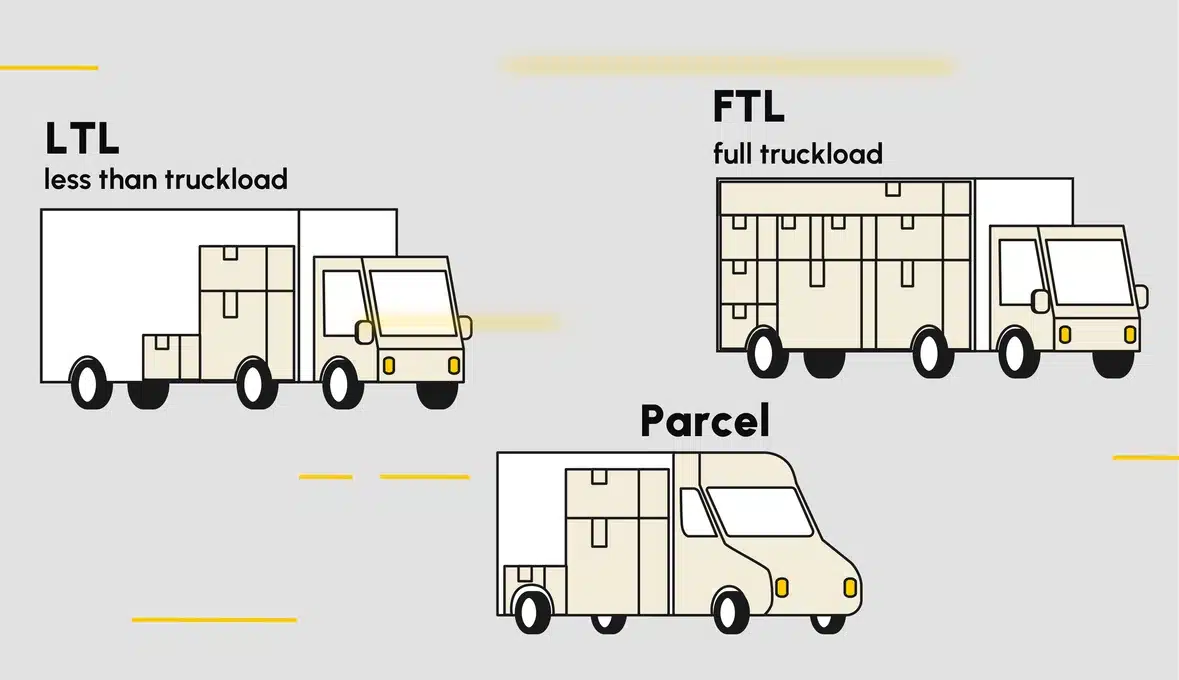
Heres the fix: expand your shipping playbook.
Stop relying on just one carrier. Heavy fitness gear requires flexibility. Try:
-
Comparing rates between USPS, FedEx, UPS, and regional carriers
-
Using LTL freight selectivelysometimes its cheaper for 100+ lb items
-
Exploring white-glove delivery for premium, high-ticket items that need setup
Transparency is key too. If a heavy product will take longer or require freight delivery, set expectations clearly at checkout. That simple step can prevent a lot of post-purchase frustration.
Want to make this easier? Hand it off to a 3PL that already has the tools.
When you work with a provider like lite prepcenter, theyre not just guessing. Theyve got a wide carrier network, pre-negotiated contracts, and tech that picks the best shipping option automaticallywhether thats:
-
Parcel
-
Freight
-
Regional delivery
-
Or their own SaverShip program (which cuts heavy parcel costs by up to 80%)
SaverShip is particularly smart for the 575 lb rangefilling the awkward gap between “too heavy for parcel” and “not quite big enough for freight.”
Long story short? You dont need to hack together a Frankenstein shipping strategy for every heavy order. A fulfillment partner with deep carrier relationships does the heavy lifting for youpun intended.
Result? Your customers get faster, more affordable shipping. And you stay out of the weeds.
Lower Your Costs with Smarter Fulfillment.
Partner with lite prepcenter to move inventory faster and free up cash flow. We help Start-Ups optimize operations so products dont sit on shelves. Request a Free Quote today!
Summary:
Heavy fitness gear can be a heavy burden in more ways than one. From soaring shipping costs, to broken products, to tricky returns and logistical constraints, the challenges are real but theyre not insurmountable. The key for fitness brands and eCommerce managers is to be proactive and strategic. Use sturdy packaging and smart shipping methods to control costs and prevent damage. Streamline your operations for bulky items, and dont go it alone if its becoming overwhelming. Often, the smartest move is to bring in a specialist 3PL partner to handle the heavy lifting (literally and figuratively).
By outsourcing fulfillment to experts for example, leveraging a 3PL like lite prepcenter, known for budget-friendly heavy-item shipping via SaverShip you can turn these fulfillment nightmares into a competitive advantage. Your heavy kettlebells and multi-part home gym systems will ship out cheaper, safer, and faster, and your team can focus on growing the business rather than wrestling with packing tape and freight quotes. Heavy product fulfillment will always have some extra hurdles, but with the right strategies and partners in place, you can overcome these challenges and flex your way to stronger sales and happier customers.
Sources: The insights and data above are drawn from industry research and examples, including real-world shipping comparisons and logistics expertise from 3PL providers. These sources underline the importance of specialized solutions (like SaverShips consolidated heavy shipping) and best practices in heavy-item fulfillment. By learning from these proven approaches, any fitness eCommerce operation can lift the weight of fulfillment challenges off their shoulders.
Ready to talk fulfillment solutions? The team at lite prepcenter is happy to help answer questions and set you up for fulfillment success. Heres to fewer headaches and more growth ahead!
0 Comments