
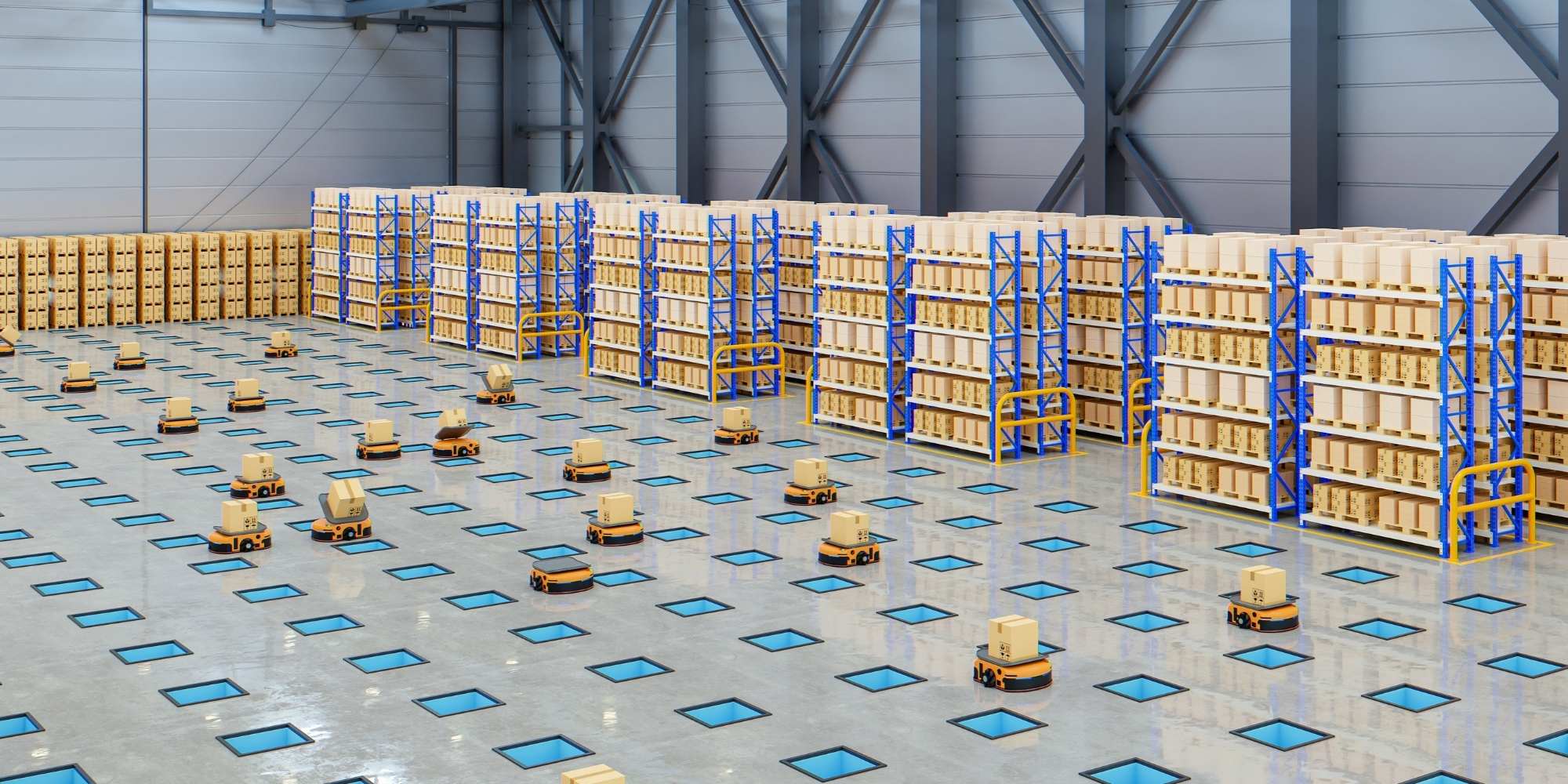
Figuring out how to get your products from your garage (or manufacturer) into Amazons massive fulfillment machine isnt exactly intuitive. Thats where 3PLs come in.
If you’re an ecommerce seller, especially one trying to juggle multiple sales channels, a third-party logistics provider (3PL) can feel like your behind-the-scenes operations team. They don’t just pack boxes and slap on shipping labels, they act as the bridge between your online storefront and Amazons fulfillment centers.
How do 3PLs take orders for Amazon FBA from clients?
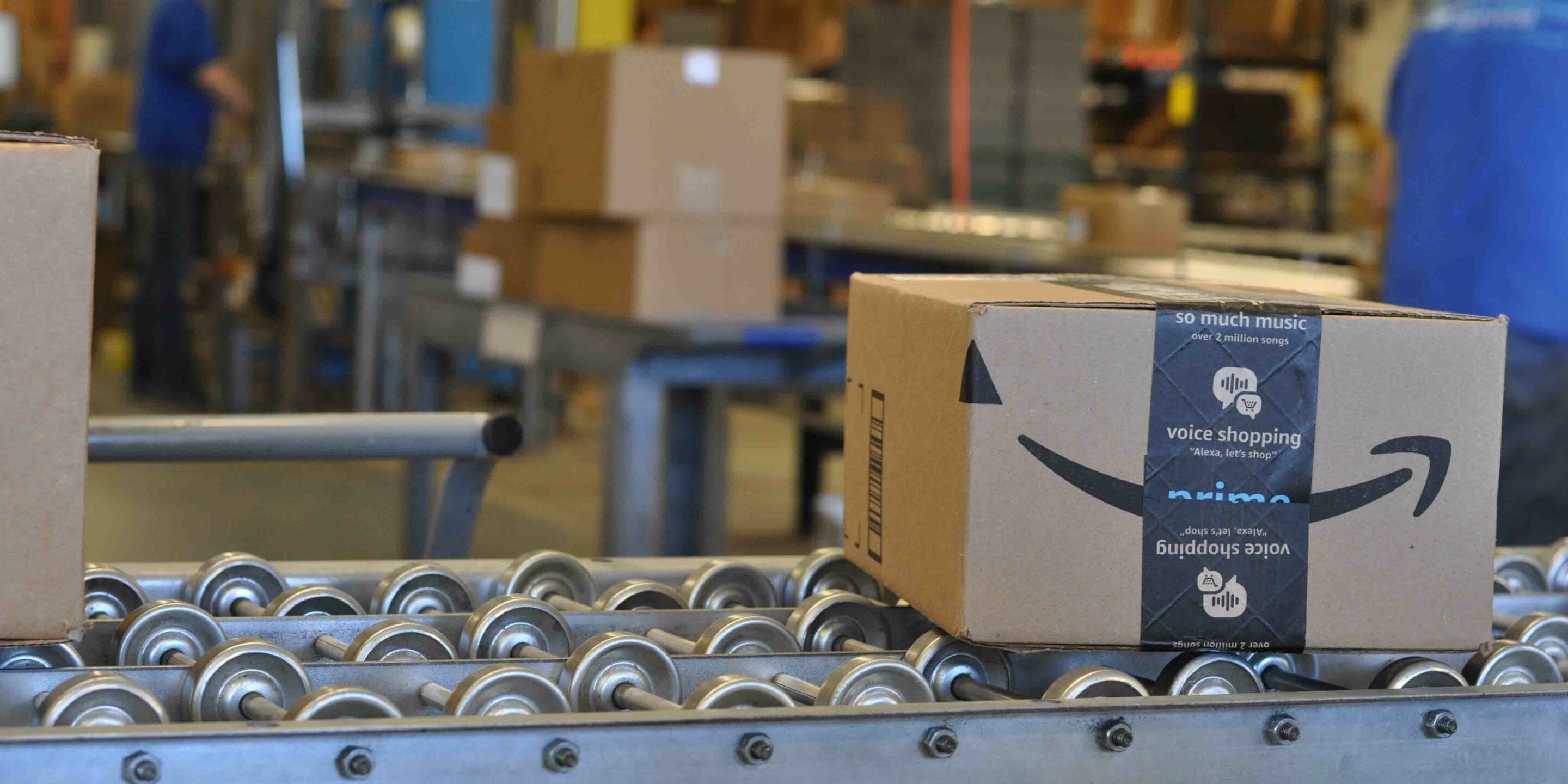
It starts with an integration. The Top 3PLs for Amazon sellers will connect directly to your Amazon Seller Central account. That means every time you create an FBA shipment planor even when your inventory needs replenishingthe 3PL is automatically looped in. No spreadsheets, no email back-and-forth, no missed shipments because someone forgot to check their inbox.
Lets say youre working with a company like lite prepcenter. You send them your inventory (either directly or via your supplier), and their system starts tracking it from the moment it lands at their dock. When Amazon gives the green light for restocking, the 3PL picks, labels, and packs the items according to Amazons rules (and they have a lot of rules).
Then, they schedule the freight to the correct fulfillment center using Amazons own discounted shipping optionslike the Partnered Carrier Program. From there, its smooth sailing: Amazon checks the boxes in, and your listings are back in stock without you ever touching a box cutter.
Syncing Up: How Orders Flow Between You and Your 3PL
Lets face itmanaging fulfillment manually is a headache. Spreadsheets, email chains, late-night panic nobodys got time for that.
Thats why most modern 3PLs dont just store your productsthey plug directly into your ecommerce systems, including Amazon Seller Central. This connection is what makes the whole FBA order process feel seamless. No back-and-forth. No guesswork.
So how does it actually work?

Step 1: System Integration
The first thing a solid 3PL will do is connect their warehouse management system (WMS) to your Amazon Seller Central account (and often to other platforms like Shopify or WooCommerce). This connection means:
- Orders and shipment requests from Amazon are pulled into their system automatically
- No manual data entryno one has to email or upload anything by hand
- Inventory levels stay synced in real time
As one Amazon FBA Prep guide puts it, seamless integration with your Amazon Seller Central account is essential for smooth order management.

Step 2: Automated Order Flow
Once that integration is live, heres what happens when its time to send inventory to Amazon:
- You (or your system) create an FBA shipment plan
- Amazon flags the shipment detailswhat to send, how many, and where
- That data flows straight into your 3PLs WMS
- The warehouse staff gets alerted and begins prepping the order
Some 3PLs even integrate through ecommerce APIs. In one case study from lite prepcenter, a clients ecommerce platform notified [the 3PLs] server of which products to ship where, making the process nearly hands-off.

The Hands-Off Bonus
With this setup, your role as the seller becomes a lot easier:
- You dont have to manually send over packing lists
- You dont have to track inventory on your own
- You dont even have to nudge your 3PLit already knows what to do
And thanks to syncing tools, every steppicking, packing, shippinghappens faster and with fewer errors. Orders are often automatically entered into the system and processed as quickly as possible (usually within 12 days), according to some 3PLs.
From Shelf to Shipment: What Happens Inside the 3PL Warehouse
Once your order hits the 3PLs system, things move fast. This is the part where the digital handoff becomes real-world action. People on forklifts. Barcode scanners. Taped-up boxes. The whole deal.

Heres a simple breakdown of what goes on behind the warehouse doors:
1. Receiving & Storing Inventory
Everything starts when your inventory arriveseither directly from you or your supplier. The 3PL team:
- Checks the products for quality issues
- Sorts and organizes each SKU
- Stores everything safely (often using barcode systems for real-time tracking)
As industry guides explain, the process begins with the 3PL receiving inventory either from a supplier or directly from the client, and thats when things get cataloged and ready for action.
2. Creating the FBA Shipment Plan
Before anything ships, a plan has to be made. That plan tells Amazon which products youre sending and where theyre headed. You can create the plan in Amazon Seller Central yourselfor have the 3PL do it for you.
Either way, it includes:
- Specific SKUs and quantities
- Assigned Amazon fulfillment centers
- FBA Labeling requirements (which well get to next)
The goal here? Avoid sending stuff Amazon didnt ask for. That never ends well.
3. Picking, Packing & Labeling
Once the plan is locked in, the warehouse team gets to work. This step is all about precision:
- Workers use pick lists and barcode scanners to grab the correct items
- They securely pack the goods into boxes that meet Amazons standards
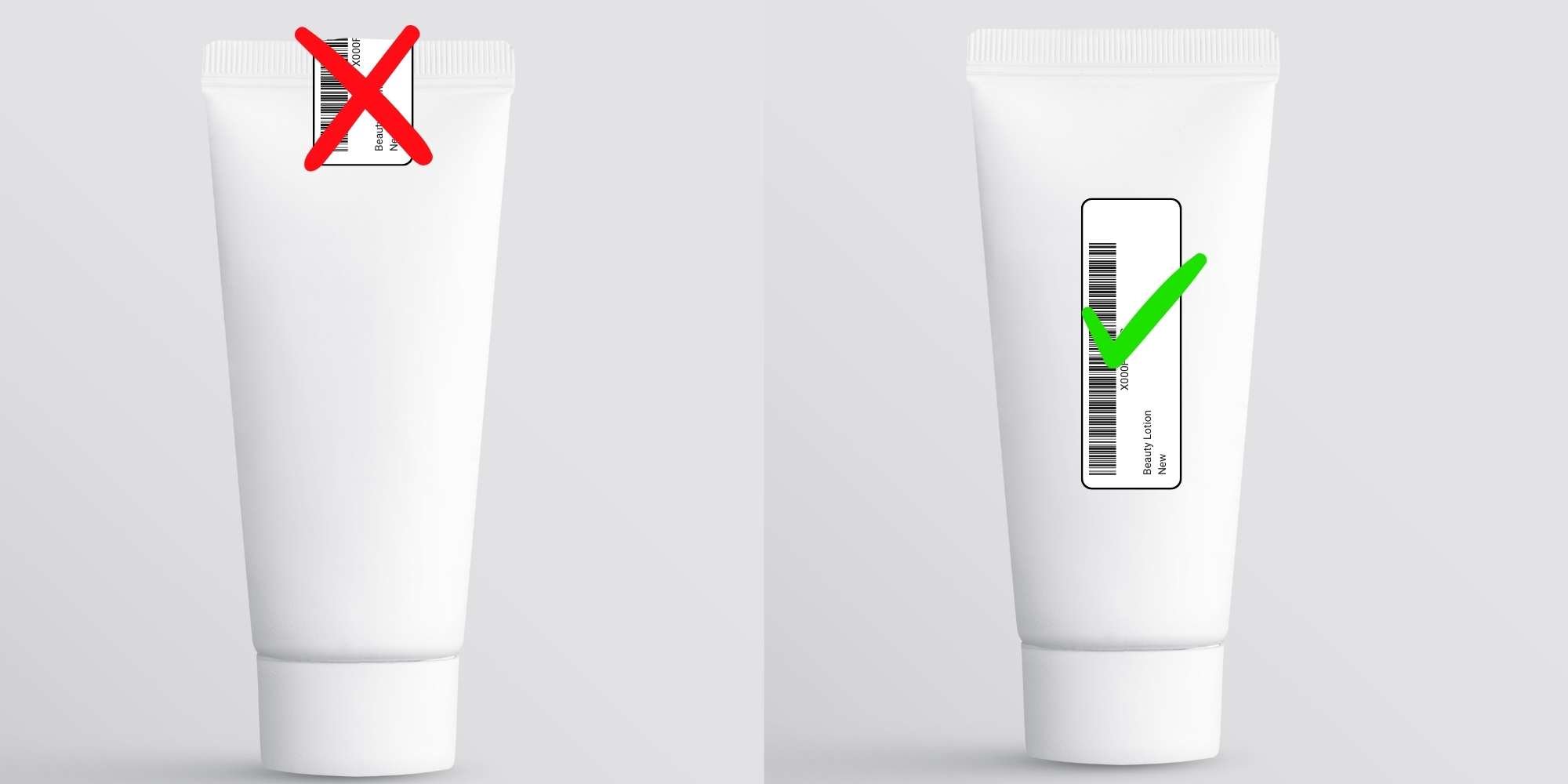
- Then, they label everythingfrom individual units (FNSKU stickers) to outer cartons
the 3PL receives and organizes each SKU in its warehouse a worker at the 3PL picks the ordered items and packs them in boxes for shipment.
Amazons rules are strict. Labels have to be in the right place, bags have to be sealed properly, and everything needs to be Amazon-compliant down to the last polybag. Thats why many sellers rely on 3PLs that specialize in FBA prep.
lite prepcenter, for example, routinely handles:
- FNSKU labeling
- Polybagging and suffocation warnings
- Bundling and quality checks
- Carton and pallet compliance
If any of thats skipped or done wrong, Amazon might reject the shipmentor worse, charge you fees. So yeah, its worth getting it right.

Getting It Out the Door: Shipping to Amazon FBA
Now that the boxes are packed, labeled, and stackedwhat next? Time to get them out the door and on the road to Amazon.
But not just any road. Amazon has rules about how shipments are packed, labeled, scheduled, and even what kind of trucks show up to the fulfillment center. So your 3PL steps in to make sure everythings buttoned up.

Coordinating Freight Like a Pro
Most 3PLs will schedule freight pickups for you. This means:
- Booking Less Than Truckload (LTL) or Full Truckload (FTL) shipments, depending on volume
- Choosing the best carrier (often using Amazons own Partnered Carrier Program to score discounted rates)
- Making sure the shipment window and location match what Amazon expects
As one guide puts it, the 3PL schedules pick-ups with carriers and ensures that your products reach the Amazon FBA warehouse timely and intact. That last partintactis not just a nice-to-have. Its the difference between a smooth check-in and a customer service nightmare.

Paperwork, Labels, and Pallet Perfection
Its not just about getting a truck. The 3PL also:
- Prints and attaches box labels and pallet labels based on the shipment plan
- Prepares a Bill of Lading (BOL) and any required shipment documentation
- Shrink-wraps and stacks pallets to Amazons exact specsno leaning towers allowed
Shipments that dont meet Amazons packaging or routing guidelines might be refused or delayed. Thats why experienced FBA 3PLs obsess over the details. One broken rule can mean missed restock windowsand unhappy customers.

Closing the Loop with Tracking
After the truck pulls away, the 3PL isnt done. They also:
- Upload tracking info into your Amazon Seller Central account (if needed)
- Mark the inventory as in transit in their own system
- Give you a heads-up when Amazon receives the goods and your stock is live
The goal? You know whats happening every step of the waywithout having to micromanage.
And just like that, your inventorys en route to Amazon. You didnt have to label a single item or call a freight company. Your 3PL handled itbecause thats what they do.
Managing Amazon FBA doesnt have to be a hassle.
Partnering with a 3PL like lite prepcenter means you can focus on growing your business while we handle the details. Request a Free Quote Today!
Summary & Key Takeaways:
Heres what it boils down to: a 3PL is like an extension of your teamquietly working in the background to keep your Amazon inventory moving without missing a beat.
They take your inventory, store it securely, prep it to Amazons exacting standards, and get it shipped out on time. All while syncing up with your systems so everything just works. No scrambling. No guesswork.
To recap, heres how the process flows:
- Receive & Store Inventory: Your 3PL checks, organizes, and stores your goods
- Create FBA Shipment Plan: You or your 3PL map out whats being sent and where its going
- Pick, Pack, and Label: Items are pulled from storage, prepped, and labeled to Amazons specs
- Ship to Amazon: Freight is arranged, pallets are wrapped, and tracking is uploaded
Throughout this whole process, tech and communication are key. Top-tier providers like lite prepcenter use warehouse management systems that integrate with more than 40 popular shopping carts and online marketplaces, making it easy to manage inventory across multiple sales channelsnot just Amazon.
And the best part? You get to focus on building your brand, launching new products, or finally fixing that email welcome series youve been putting off. Meanwhile, your fulfillment just runs.
Because at the end of the day, when youve got a 3PL that knows Amazon FBA inside and out, youre not just outsourcing logisticsyoure buying back time, peace of mind, and fewer headaches.
Ready to talk Amazon FBA solutions? The team at lite prepcenter is happy to help answer questions and set you up for fulfillment success. Heres to fewer headaches and more growth ahead!
0 Comments